

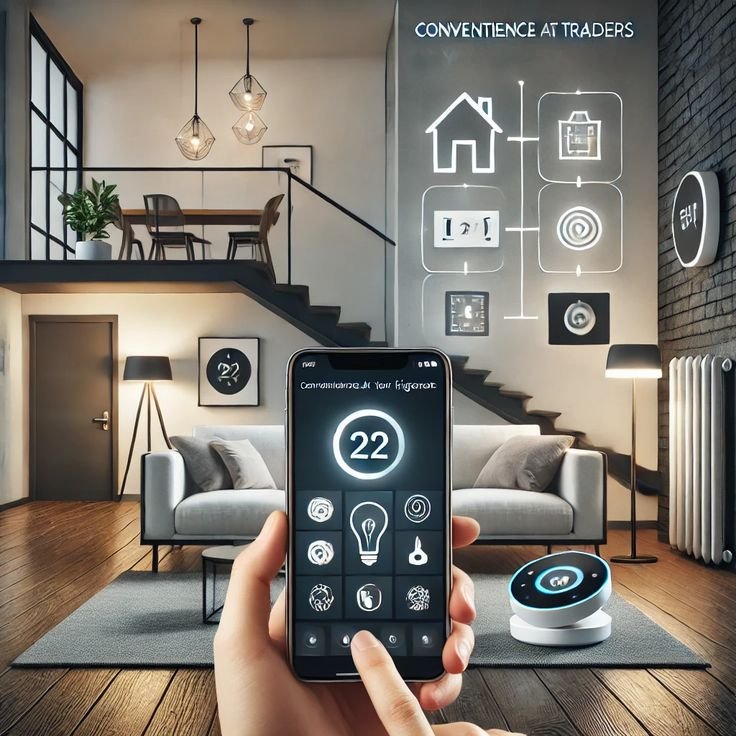
Smart devices have become an essential part of modern life. What started with basic smartphones and simple home assistants has grown into a fully connected ecosystem that impacts communication, entertainment, security, productivity, and even personal health. As we step deeper into 2025, smart technology is undergoing a major transformation—driven by AI, advanced sensors, automation, and hyper-fast connectivity.
The next generation of connected tech isn’t just smarter; it’s more intuitive, adaptive, personalized, and seamlessly integrated with daily routines. From homes that understand your needs to wearables that predict your health patterns, smart devices are shaping the future of convenience and innovation.
1. Smart Devices Are Becoming More Predictive, Not Just Reactive
Earlier smart devices were built to respond to commands. Today’s devices go far beyond that. Thanks to machine learning and on-device AI, modern gadgets can predict what you need before you even ask.
Examples of predictive smart tech in 2025:
- Smart thermostats adjust temperatures based on your weekly behavior.
- Virtual assistants suggest tasks, reminders, and daily schedules proactively.
- Smart lights change brightness and color depending on your mood or activity.
- Smart security systems detect unusual patterns and alert you automatically.
This shift from reactive to predictive increases efficiency and allows technology to integrate naturally with your habits.
2. AI Integration Is Becoming the Core of Every Smart Device
The evolution of AI is the biggest factor reshaping the connected tech landscape. AI no longer just assists—it powers decision-making, personalization, and automation across devices.
How AI is transforming smart gadgets:
- Voice assistants now understand context and multi-step instructions.
- Smart TVs recommend content based on emotions and viewing behavior.
- Robotic appliances learn how you clean, cook, or maintain your home.
- AI cameras distinguish between family members, pets, and strangers.
AI-driven devices adapt faster, improve accuracy, and offer hyper-personalized experiences.
3. Smart Homes Are Becoming Fully Autonomous Ecosystems
The smart home of 2025 is no longer a collection of isolated gadgets—it’s an interconnected environment that works as a single intelligent system.
Features of next-gen autonomous homes:
- Energy optimization: Systems reduce power consumption automatically.
- Smart kitchen appliances: Suggest recipes, automate cooking settings, and reorder essentials.
- Integrated home hubs: Manage lighting, entertainment, climate, and security from one AI brain.
- Safety automation: Sensors detect fire, leaks, or unusual movement instantly.
Homes are transitioning from “smart” to self-managing, bringing unparalleled convenience and safety.
4. Wearable Tech Is Turning Into Personal Health Command Centers
Wearables have evolved from step counters to comprehensive health monitoring systems. The next generation of watches, bands, and smart patches now track deeper metrics and deliver insights that support long-term well-being.
New capabilities in 2025 wearables:
- Blood oxygen, hydration levels, and glucose-tracking sensors.
- Real-time stress monitoring using skin temperature and heart rhythm.
- AI-driven health predictions for sleep cycles, fatigue, and fitness needs.
- Integration with telemedicine for quick doctor consultations.
Wearables now act as early warning systems, helping users make proactive decisions about their health.
5. Smart Appliances Are Redefining Household Convenience
Smart refrigerators, washing machines, ovens, and vacuum robots have reached a new level of intelligence. These devices don’t just automate tasks—they make homes more efficient and sustainable.
What’s new in 2025 household tech:
- Fridges track inventory and nutrition, updating grocery lists automatically.
- Ovens recognize food items and adjust cooking programs without manual input.
- Air purifiers measure air quality and activate filtration when needed.
- Laundry machines optimize detergent and water usage automatically.
These advancements reduce effort, save energy, and improve the overall home experience.
6. Connectivity Is Becoming Faster, Smoother, and More Secure
The expansion of Wi-Fi 7, 5G, and early-stage 6G research has changed how devices communicate. Smart gadgets operate with improved stability, speed, and responsiveness.
Benefits of next-gen connectivity:
- Instant syncing between multiple devices.
- Zero-lag performance for gaming and streaming.
- Real-time cloud processing for AI and automation.
- Strong encryption for privacy and cybersecurity.
Stable connectivity is the backbone that enables the new wave of smart device evolution.
7. IoT Expansion: The Rise of “Everything Smart”
In 2025, we’re entering the era of the Internet of Everything (IoE)—a world where nearly all objects can connect and exchange data.
Everyday items becoming smart include:
- Clothing with temperature control sensors.
- Smart mirrors offering skincare analysis and morning updates.
- Connected sneakers that track pressure and posture.
- Smart suitcases with GPS tracking and weight sensors.
These innovations combine convenience with creativity, turning ordinary objects into intelligent companions.
8. Smart Mobility Devices Are Gaining Popularity
Transportation is becoming more automated and interconnected. Devices like e-bikes, electric scooters, and autonomous home transports are becoming essential in urban areas.
Key upgrades in smart mobility:
- GPS-linked traffic prediction.
- Safety sensors for collision avoidance.
- App-controlled lock systems.
- Battery optimization and eco-friendly motors.
The goal is simple: safer, smarter, and cleaner movement.
9. Sustainability Is Fueling the Next Wave of Smart Tech
Eco-friendly design has become central to next-gen technology. Manufacturers now prioritize lower power consumption, recyclable materials, and long-lasting components.
Sustainability-focused developments:
- Solar-powered smart devices.
- Recyclable device casings and bio-materials.
- Low-energy AI processing.
- Smart meters monitoring household consumption.
Green tech ensures that connected devices contribute to a cleaner, more responsible future.
10. The Future: Devices That Think, Adapt, and Collaborate
The next generation of connected tech marks a shift toward devices that not only understand commands but also learn, evolve, and collaborate seamlessly with other gadgets.
We’re moving into an era where:
- Your home anticipates your needs.
- Your wearable prevents health issues before they appear.
- Your appliances learn your habits.
- Your personal AI assistant becomes an everyday partner.
These innovations promise a future where technology enhances well-being, productivity, and lifestyle without complexity.
Final Thoughts
Smart devices are no longer just conveniences—they are becoming the digital backbone of modern life. As AI advances and connectivity expands, technology is evolving into a deeply integrated ecosystem where devices understand behavior, predict needs, and deliver intelligent solutions with minimal effort.
The next generation of connected tech is transforming daily routines, improving home management, strengthening personal health, and creating a more efficient and eco-friendly lifestyle. As these innovations continue to mature, they will redefine what it means to live in a truly smart world.
