

Technology is evolving at a speed we’ve never seen before. What once felt like far-off futuristic concepts—AI assistants smarter than humans, homes that fully automate themselves, cars that drive without human input, or quantum machines solving problems in seconds—are now becoming part of daily life. As we move deeper into 2025, a new wave of emerging technologies is reshaping how we work, learn, move, communicate, and even think.
From artificial intelligence to biotechnology and hyper-connected devices, the following trends highlight the innovations set to transform everyday life in powerful and unexpected ways.
1. Artificial Intelligence Everywhere: Smarter, Faster, and More Personal Than Ever
AI is no longer just a digital assistant sitting in your phone. In 2025, it’s infused into nearly every element of daily routines. From real-time productivity support to hyper-personalized health insights, AI is reshaping how individuals make decisions and interact with the world.
New Generation AI models can analyze your habits, anticipate your needs, and make recommendations tailored to your lifestyle. Smart home devices are now capable of learning your mood patterns, adjusting lighting, temperature, and even scents to improve well-being. At work, AI tools automate repetitive tasks, summarize meetings instantly, generate insights from massive datasets, and support creative work—from writing code to designing graphics.
In essence, AI is quietly becoming an always-on companion helping people save time and stay more efficient.
2. Quantum Computing Breakthroughs: Solving Problems Once Thought Impossible
Quantum computing has finally moved from theoretical discussions to real-world impact. While still in early commercialization phases, 2025 marks a turning point: companies and researchers are using quantum machines to solve extremely complex problems that traditional computers struggle with.
These breakthroughs are accelerating advancements in:
- drug discovery, enabling faster identification of molecules
- climate modeling, improving the accuracy of environmental predictions
- financial forecasting, analyzing massive variables at once
- cybersecurity, creating next-generation encryption
Although quantum devices aren’t appearing in homes yet, their influence is becoming a part of everyday life through improved services, smarter medicine, and stronger digital protection.
3. The Rise of Mixed Reality: A New Digital Dimension
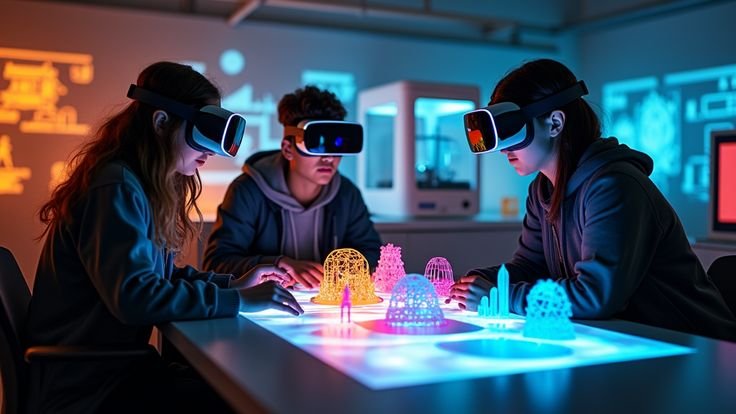
Virtual Reality (VR) and Augmented Reality (AR) have merged into a powerful new ecosystem—Mixed Reality (MR). In 2025, MR headsets are lighter, more affordable, and far more immersive. This evolution is transforming entertainment, education, professional training, remote work, and even therapy.
People can attend virtual concerts, walk through 3D travel destinations, or collaborate with coworkers in fully interactive digital spaces. Students can explore historical worlds, anatomy labs, or simulated physics environments in real time. Retail brands now allow customers to try on clothes, place furniture in their homes, or explore product features through AR displays.
MR isn’t just a gaming technology anymore—it’s a bridge between the physical and digital worlds.
4. Smart Homes Evolve Into Intelligent Living Ecosystems
The smart home of 2025 goes far beyond controlling lights and security cameras. Today’s smart environments are connected ecosystems that understand context and adjust automatically.
Modern homes use sensors and AI to optimize energy usage, control appliances, monitor health metrics, manage entertainment, and even detect potential safety hazards. Smart kitchens can suggest recipes based on what’s available in your fridge, while AI-powered cleaning robots handle maintenance without human instructions.
As sustainability becomes a global priority, intelligent thermostats and energy systems help reduce waste and lower household carbon footprints.
This shift marks the beginning of homes that actively participate in improving your lifestyle, rather than simply responding to manual commands.
5. Autonomous Mobility: Transportation Without Limits
Self-driving cars, autonomous delivery drones, and smart mobility systems are becoming mainstream in urban centers. In 2025, public and private transportation is moving toward a fully automated model powered by AI, advanced sensors, and ultra-reliable safety features.
Autonomous shuttles operate in campuses and business districts, reducing traffic and offering safe, efficient alternatives to traditional vehicles. Delivery robots and drones are handling local logistics, ensuring faster and more eco-friendly transportation of goods.
These advancements are making mobility more accessible, especially for seniors and people with disabilities, while cities benefit from reduced congestion and emissions.
6. Biotechnology and Personalized Health: Tailored to You
Biotechnology innovations are revolutionizing daily healthcare. Wearables now go beyond tracking steps—modern devices analyze stress levels, detect changes in sleep cycles, monitor blood chemistry, and predict potential health issues before symptoms appear.
AI-powered health apps can provide recommendations based on real-time data, helping users adjust diet, exercise, and lifestyle habits. Some systems even integrate with healthcare providers, offering early alerts for chronic conditions.
Gene-based health assessments are becoming more common, enabling personalized wellness plans that align with an individual’s unique biological profile.
Health tech in 2025 is shifting from reactive care to proactive, preventive, and personalized wellness.
7. Hyper-Connected IoT Devices: The Internet of Everything
The Internet of Things (IoT) continues to expand, embedding connectivity into everyday objects like appliances, vehicles, wearables, tools, and even clothing. In 2025, these devices communicate more efficiently through upgraded 5G and Wi-Fi 7 networks.
Examples include:
- smart refrigerators automatically updating grocery lists
- fitness devices syncing with personalized nutrition apps
- connected cars sharing traffic data with city systems
- home security gadgets forming advanced safety networks
This hyper-connected ecosystem creates a more seamless, automated, and efficient lifestyle—reducing friction and offering convenience on a whole new level.
8. Sustainable Tech: Innovations for a Greener Future
Environmental technology is quickly becoming a core part of global innovation. In 2025, companies are prioritizing energy-efficient designs, recyclable materials, and clean energy systems.
Key advancements include:
- solar technologies with higher conversion efficiency
- electric vehicles with extended battery life
- smart grids optimizing energy distribution
- carbon-capture innovations
- sustainable packaging and biodegradable electronics
Sustainable tech is reducing long-term environmental impact, creating new industries, and shaping a future where technology and ecology work hand in hand.
Final Thoughts
The technologies emerging in 2025 are more than just trends—they are catalysts reshaping how people live, work, and experience the world. From smarter AI to immersive realities, autonomous mobility, personalized health, and sustainable innovations, the future of everyday life is already here.
As these technologies evolve and merge, they will create a more connected, intelligent, efficient, and eco-conscious lifestyle. Adapting to these changes means embracing a world where digital and physical realities blend seamlessly, providing endless opportunities for growth and transformation.
