

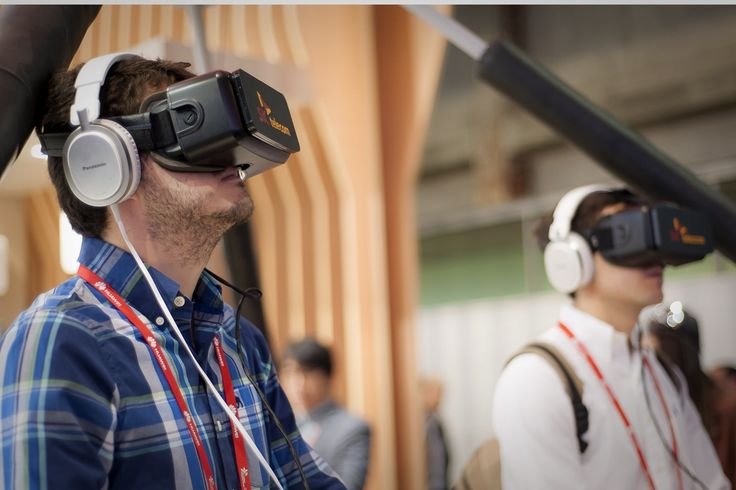
Mixed Reality (MR) has quickly become one of the most transformative technologies of the decade, merging the digital and physical worlds in ways that once seemed impossible. By blending Augmented Reality (AR) and Virtual Reality (VR), MR offers interactive, immersive experiences that respond to the environment around the user. In 2025, this technology is no longer limited to gaming or experimental labs. It is shaping how people entertain themselves, how professionals collaborate, and how students learn. As MR becomes more accessible and widely adopted, it is poised to influence daily life across multiple industries.
A New Era of Immersive Entertainment
The entertainment industry has always embraced innovation, and MR is becoming one of its most exciting advancements. Unlike traditional VR which fully replaces your surroundings, MR allows digital objects to interact naturally with the physical world. This creates a more believable and engaging experience, bridging the gap between imagination and reality.
In gaming, players can now move through real environments enhanced with digital characters, effects, and challenges. These experiences adapt to the player’s space, making every session unique. Even casual users—those who are not hardcore gamers—experience MR through interactive fitness apps, virtual concerts, and immersive sports simulations. Music and film creators are also exploring MR-enabled storytelling, where viewers can step into scenes, explore environments, and interact with elements of the narrative.
Live entertainment is also evolving. Virtual concerts and digital performances are now more lifelike, allowing audiences to experience shows from angles they choose. For performers, MR tools help in creating dynamic stages, real-time visual effects, and new types of audience engagement that were previously impossible. As more studios and artists adopt MR techniques, entertainment is becoming more interactive, personalized, and immersive.
Transforming Workspaces Through Collaboration and Simulation
In the professional world, Mixed Reality is reshaping how people collaborate, design, and solve problems. With advanced headsets and lightweight MR glasses, workers can access digital tools layered over real environments. This allows teams to visualize complex ideas without relying on static images or physical prototypes.
One of the most significant advantages of MR in the workplace is enhanced remote collaboration. Instead of video calls with limited interaction, professionals can now meet in shared 3D environments. They can examine models, annotate objects, and manipulate virtual elements as if they were physically present. This is particularly valuable in industries like engineering, architecture, manufacturing, and product design, where precise visualization is crucial.
Training and simulation are also being revolutionized. MR offers hands-on learning experiences without requiring real-world materials or equipment. Trainees can practice tasks safely, repeat exercises as needed, and receive real-time feedback. Whether learning how to repair machinery, perform complex procedures, or understand workflow processes, MR-based training helps workers develop skills faster and with greater confidence.
For businesses, the potential benefits are wide-ranging: improved productivity, reduced training costs, better design accuracy, and more efficient communication. As the technology continues to mature, MR tools are becoming easier to integrate into existing workflows, making them a practical solution for companies of all sizes.
Empowering Education With Interactive Learning
Education has always evolved with technological advancements, and Mixed Reality is becoming one of the most impactful tools for transforming the learning experience. Traditional classrooms rely on textbooks, static images, and lectures, which can be effective but limited in their ability to bring complex concepts to life. MR changes this by turning lessons into interactive, immersive activities that engage multiple senses.
Students can explore historical events, examine 3D models of scientific structures, or interact with virtual environments that deepen understanding. For example, instead of reading about planets, students can walk through a virtual solar system. Instead of viewing images of chemical reactions, they can manipulate molecules in real time. This hands-on approach helps students learn faster and retain information longer.
MR also supports personalized learning. Because the digital content adapts to each student’s pace and learning style, it ensures that learners receive the right level of challenge and support. Teachers can monitor progress through real-time analytics and adjust lessons accordingly. This adaptability makes MR a valuable resource not only in traditional schools but also in universities, vocational training centers, and home-learning environments.
Classroom collaboration is improving as well. Students can work together on 3D projects, explore virtual field trips, and solve problems in shared mixed-reality spaces. These experiences encourage teamwork, creativity, and critical thinking—skills that are increasingly important in today’s rapidly evolving world.
The Growing Accessibility of MR Technology
A few years ago, Mixed Reality required expensive headsets and powerful computing systems. Today, it is becoming more accessible thanks to advances in hardware, software, and mobile devices. Lightweight MR glasses, improved gesture tracking, and cloud-based rendering are making high-quality experiences possible without specialized equipment.
Developers are also building easier-to-use tools for creating MR content, helping businesses, educators, and creators design immersive experiences without deep technical knowledge. This expanding ecosystem is pushing MR from niche use cases into everyday life. As technology becomes more affordable and user-friendly, adoption is expected to grow across industries.
Challenges and Considerations Ahead
Despite the excitement around Mixed Reality, there are still challenges to address. These include ensuring user privacy, improving device comfort, reducing motion-related discomfort, and creating widely standardized platforms. As with any emerging technology, widespread adoption requires ongoing research, user feedback, and thoughtful design.
There is also the question of balancing digital immersion with real-world interaction. While MR offers many benefits, it is important to maintain healthy boundaries so the technology enhances rather than replaces human connection and physical experiences.
Looking Toward the Future
Mixed Reality has made remarkable progress in a short period, and its influence is only beginning. As the technology continues to evolve, its uses in entertainment, work, and education will expand even further. Whether enabling fully immersive learning experiences, unlocking new creative possibilities, or improving productivity in the workplace, MR is shaping a more dynamic and interactive future.
The path ahead is full of opportunity. By blending the physical and digital worlds, Mixed Reality is not just offering new ways to see information—it is reshaping how people experience life itself.
