

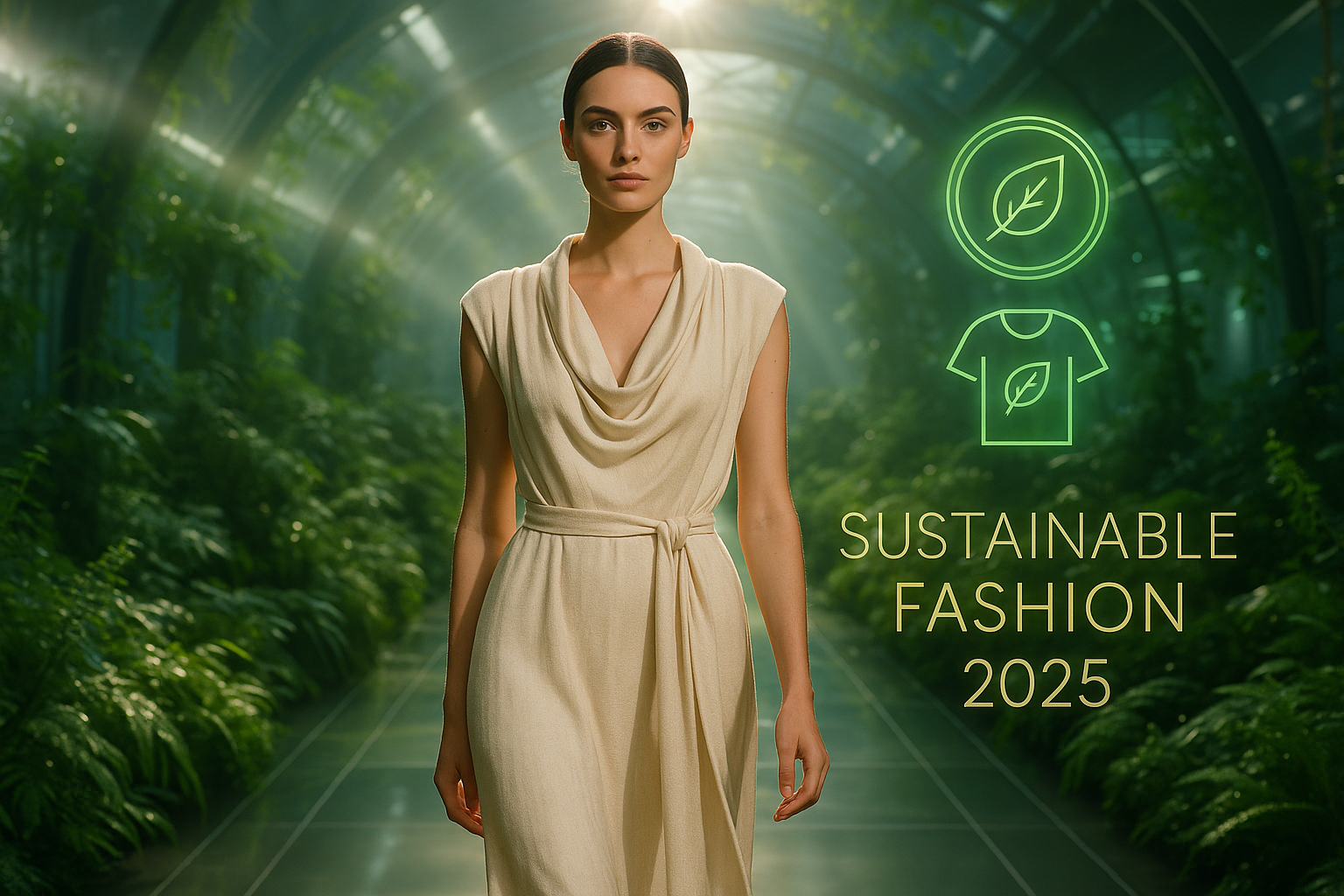
What began as a niche movement is now shaping the global fashion industry. In 2025, sustainability is not just a buzzword — it’s the new definition of luxury. From eco-friendly materials to transparent supply chains, fashion brands and consumers alike are choosing conscious clothing. Let’s explore how sustainable fashion evolved from activism to aspiration.
Table of Contents
- Introduction
- 1. The Rise of Conscious Fashion
- 2. Global Brands Leading the Eco Movement
- 3. Eco-Friendly Fabrics & Innovations
- 4. The New Conscious Consumer
- 5. Technology Driving Sustainability
- 6. India’s Role in the Sustainable Fashion Scene
- 7. What’s Next for Green Fashion
- Conclusion
Introduction
In 2025, fashion is redefining responsibility. The industry — once criticized for waste and overproduction — now embraces innovation and accountability. From digital fabric tracing to rental fashion and upcycling, sustainability is at the heart of modern style.
1. The Rise of Conscious Fashion
Over the past decade, environmental awareness and ethical labor concerns fueled the sustainable fashion revolution. Brands faced consumer pressure to disclose production practices, while social media amplified transparency demands. The shift from “fast fashion” to “forever fashion” marked a major cultural change.
- 2010s: Awareness campaigns like “Who Made My Clothes?” began.
- 2020s: Major brands pledged carbon neutrality and circular fashion goals.
- 2025: Sustainability is now a status symbol.
2. Global Brands Leading the Eco Movement
Several leading brands are championing sustainability:
- Stella McCartney: Pioneer in cruelty-free and plant-based fashion.
- Patagonia: Continues to set the benchmark for ethical outdoor wear.
- Gucci & Louis Vuitton: Introduced carbon-neutral collections and digital product passports.
- Adidas: Produces sneakers from ocean-recycled plastic and mycelium leather.
- H&M Conscious Collection: Fast-fashion giant investing in circular textile research.
The line between luxury and eco-responsibility has blurred — sustainability now defines premium quality.
3. Eco-Friendly Fabrics & Innovations
Technology is reinventing materials:
- Organic Cotton: Water-efficient and pesticide-free cultivation.
- Tencel & Bamboo Fiber: Soft, biodegradable, and breathable alternatives.
- Mycelium Leather: Grown from mushrooms, replacing animal leather.
- Recycled Polyester: Made from plastic bottles and post-consumer waste.
- 3D-Printed Fabrics: Zero-waste design using AI-controlled manufacturing.
4. The New Conscious Consumer
Millennials and Gen Z are leading the change. They prefer quality over quantity and transparency over trends.
- Demand for second-hand and vintage fashion increased by 65% since 2020.
- Clothing-rental apps have replaced seasonal shopping.
- Influencers now promote “slow fashion” hauls instead of fast-fashion unboxing.
Eco-friendly packaging and fair-trade certification have become standard purchase criteria.
5. Technology Driving Sustainability
AI and blockchain are solving the industry’s biggest problems — overproduction and supply-chain opacity.
- AI Trend Forecasting: Prevents waste by predicting real consumer demand.
- Blockchain Labels: Allow buyers to trace garment origin and material source.
- Virtual Fitting Rooms: Reduce returns and unsold inventory.
- 3D-Design Tools: Enable digital sampling before physical production.
These innovations prove that technology and sustainability go hand in hand.
6. India’s Role in the Sustainable Fashion Scene
India’s rich textile heritage and eco-craftsmanship are making it a global leader in ethical fashion.
- Handloom revival programs empower rural artisans.
- Natural dyeing techniques are being reintroduced with modern aesthetics.
- Indian designers like Anita Dongre and Rahul Mishra are representing sustainable couture internationally.
- Homegrown labels like Nicobar, No Nasties, and Doodlage are redefining urban minimalism.
India’s approach merges culture, community, and climate consciousness.
7. What’s Next for Green Fashion
By 2030, experts predict over 60% of global fashion will follow circular economy models. Expect:
- Subscription-based wardrobes.
- AI-curated personal styling services.
- Carbon-credit shopping loyalty programs.
- Digitally certified eco-collections.
The future of fashion is not just wearable — it’s sustainable, measurable, and ethical.
Conclusion
In 2025, being fashionable means being responsible. From runways to retail apps, sustainability drives creativity and purpose. As eco-fashion becomes mainstream, we are witnessing a true revolution — one where style meets sustainability, and looking good also means doing good.
