

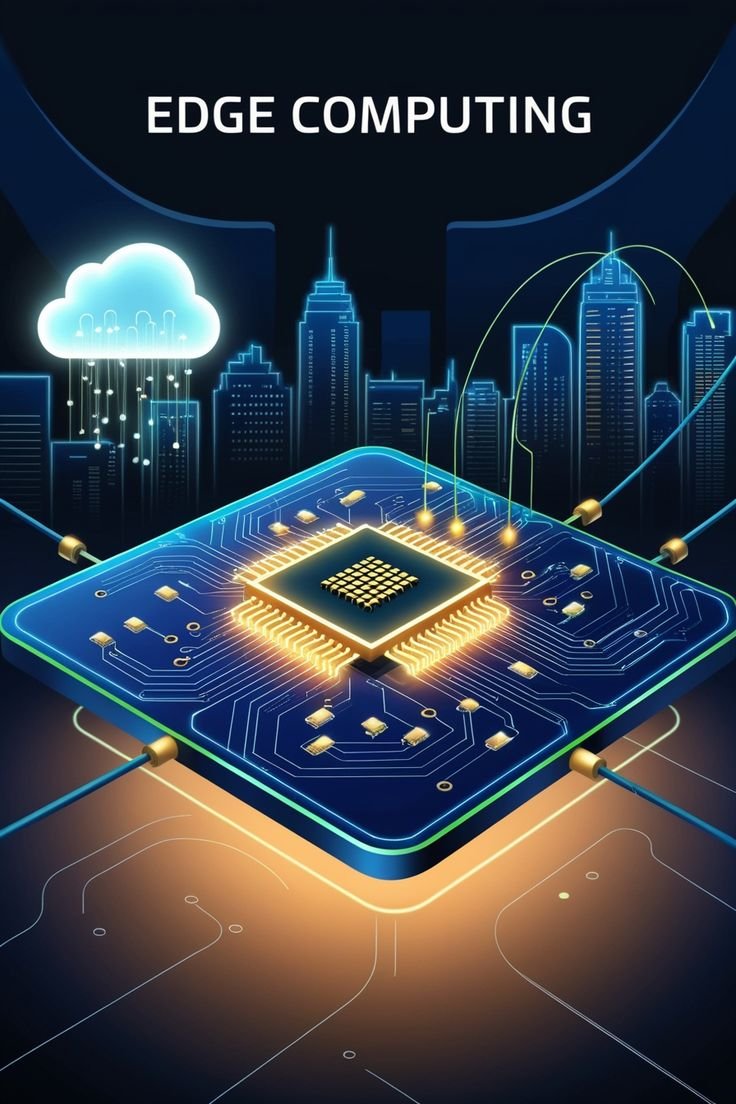
In recent years, the digital world has experienced a massive shift in how data is processed, stored, and delivered. One of the most significant developments is the rise of edge computing, a technology model that moves data processing closer to where data is generated. Instead of sending everything to centralized cloud servers, edge computing distributes computation across local devices, sensors, routers, and small data centers. This change may seem subtle, but its impact is profound. As more systems rely on real-time insights, faster response times, and improved efficiency, edge computing is becoming essential for industries, businesses, and consumers.
Why Edge Computing Is Becoming More Important
The explosion of IoT devices—ranging from smart cameras and wearables to automated vehicles and industrial sensors—has created massive amounts of data. Relying solely on remote cloud servers to process all of this information can lead to delays, bandwidth limitations, and higher operational costs. Edge computing helps solve these challenges by allowing data to be processed locally, reducing the need for constant communication with far-away servers.
This approach offers benefits such as decreased latency, improved reliability, and enhanced scalability. Instead of sending raw data across long distances, only essential information is transmitted, leading to faster responses and more efficient systems. As more organizations adopt digital transformation initiatives, edge computing is becoming central to maintaining speed, performance, and adaptability.
Enabling Real-Time Decision-Making
One of the biggest advantages of edge computing is its ability to support real-time decision-making. In many environments, even a fraction of a second can make a difference. For example, automated manufacturing systems rely on immediate responses to adjust machinery, maintain safety, and ensure quality. Technologies such as autonomous vehicles and smart drones also depend on real-time data processing to navigate safely and accurately.
Cloud-based processing introduces delays because data must travel to remote servers and back. Edge computing minimizes this delay by handling information locally. This means that critical systems can react faster and operate more efficiently. As industries move toward increased automation, the demand for real-time intelligence continues to grow, further driving the adoption of edge computing.
Reducing Network Overload and Improving Efficiency
With the rise of smart homes, connected devices, and digital services, networks are handling more data than ever before. Constantly transferring large volumes of information to the cloud can create congestion, impacting performance for users and businesses alike. Edge computing reduces this load by filtering and processing data closer to its source.
For example, a smart security camera does not need to send every frame to the cloud. Instead, it can analyze footage locally and send only relevant clips or alerts. This not only reduces bandwidth usage but also improves system efficiency. As more devices integrate advanced features such as voice recognition, motion detection, and predictive analytics, processing data at the edge becomes increasingly valuable.
By decentralizing data tasks, edge computing helps organizations optimize resources, reduce operational costs, and maintain smoother digital experiences across networks.
Enhancing Reliability and System Resilience
When systems depend entirely on the cloud, disruptions such as connectivity issues or server outages can cause downtime. Edge computing adds an extra layer of reliability by allowing devices to operate independently, even when network access is limited.
This decentralized approach reduces single points of failure and helps maintain continuity of operations. In critical environments—such as healthcare facilities, industrial sites, or public safety systems—having localized processing can significantly improve overall reliability. Devices can continue functioning, making decisions, and storing data temporarily until full connectivity is restored.
The ability to ensure reliable performance, regardless of network conditions, is one of the reasons edge computing is becoming a foundational part of modern technology strategies.
Supporting Emerging Technologies
Edge computing plays a crucial role in enabling the next generation of digital innovations. Many emerging technologies require instant processing, low latency, and seamless interaction with physical environments. Some of the fields benefiting the most from edge computing include:
1. Autonomous Systems
Self-driving cars, delivery drones, and robotic assistants rely heavily on split-second decisions. Edge computing helps them process sensor data locally, enabling safer and more accurate movement.
2. Smart Cities
Urban infrastructure—from traffic lights to public safety systems—depends on sensors and real-time data analysis. Edge computing supports these networks by providing faster, localized processing.
3. Industrial Automation
Factories equipped with smart machines and predictive maintenance systems use edge computing to monitor operations, reduce downtime, and enhance productivity.
4. Healthcare Technology
Diagnostic devices, monitoring systems, and digital medical tools benefit from faster data processing, ensuring quicker insights and smoother interactions.
5. Immersive Technologies
Applications such as Mixed Reality (MR), AR, and VR require extremely low latency. Edge computing helps deliver smoother, more responsive experiences.
As innovation accelerates, the demand for technologies that operate efficiently at both small and large scales continues to rise. Edge computing provides the foundation needed to support these advancements.
Improving Data Privacy and Security Controls
While centralized cloud servers offer strong security capabilities, transmitting large quantities of sensitive data back and forth can increase exposure to risks. Edge computing minimizes this challenge by reducing the need to send all data through external networks.
Processing information locally allows organizations to maintain better control over sensitive data. Only necessary or anonymized information is transmitted, helping minimize potential vulnerabilities. This approach is valuable in sectors that handle personal or confidential data, such as healthcare, finance, and enterprise environments.
Additionally, decentralized systems make it harder for disruptions to affect the entire network, improving overall resilience. As organizations continue to prioritize digital security, the role of edge computing is expanding as a complementary layer of protection.
The Growing Adoption Across Industries
Businesses across different sectors are recognizing the advantages of edge computing and gradually integrating it into their systems. Companies are adopting hybrid models that combine cloud services with local edge processing to create a balanced, flexible infrastructure.
This approach allows organizations to enjoy the scalability of the cloud while maintaining the speed and efficiency of edge systems. As more industries shift toward digital-first strategies, edge computing is becoming a standard part of modern technology architecture.
Looking Ahead: The Future of Edge Computing
The shift toward edge computing reflects a broader move toward decentralized digital ecosystems. As devices become more powerful and software more adaptive, processing data closer to its source will become increasingly common. Advances in AI, faster network technologies, and compact hardware are helping accelerate this shift.
In the future, edge computing is likely to play a vital role in supporting smart environments, intelligent automation, and highly personalized digital experiences. The combination of speed, efficiency, and resilience makes it one of the most important technological developments shaping the way people live and work.
